Buy art-works.eu ?
We are moving the project
art-works.eu .
Are you interested in purchasing the domain
art-works.eu ?
domain@kv-gmbh.de · 0541-91531010
Buy art-works.eu ?
What are sensory cells, sensory organs, and senses?
Sensory cells are specialized cells that detect and respond to specific stimuli, such as light, sound, touch, taste, and smell. These cells are found in sensory organs, which are structures in the body that contain sensory cells and are responsible for detecting and transmitting sensory information to the brain. The senses, on the other hand, are the physiological capacities of organisms that provide data for perception. They include sight, hearing, touch, taste, and smell, and are essential for experiencing and interacting with the environment. **
How do I design the entrance to a sensory box?
When designing the entrance to a sensory box, consider incorporating elements that engage the senses and create anticipation for what's inside. You can use textured materials, such as soft fabrics or rough textures, to provide a tactile experience. Adding scented elements like essential oils or fragrant items can stimulate the sense of smell. Visual elements like bright colors or patterns can also make the entrance visually appealing. Additionally, consider incorporating auditory elements like chimes or bells to create a multi-sensory experience as one enters the sensory box. **


Similar search terms for Sensory
Top-Angebote
Products related to Sensory:
-
Stretchable Pop Tubes Sensory Stress Relief Toy Kids Party Favors & Dog Sensory Toy Pack Stretchable Pop Tubes Sensory Stress Relief Toy Kids Party Favors & Dog Sensory Toy PackTurn everyday fidgeting into fun, calming play with pop tubes sensory toy designed to entertain, soothe, and engage both kids and pets. This colorful 10piece set transforms simple movement into satisfying sound and motion that keeps hands busy and...29,97 $*Shipping: 0,00 $Secure redirect to the provider
-
3D Egg Silicone Squeeze Ball Stress Relief Toy With Pop It Fidget Sensory Design 3D Egg Silicone Squeeze Ball Stress Relief Toy With Pop It Fidget Sensory DesignExperience instant calm with this fun and satisfying Stress relief toy designed to help ease everyday tension. This unique eggshaped Sensory fidget toy combines a soft Silicone squeeze ball with an addictive pop bubble design for endless...29,97 $*Shipping: 0,00 $Secure redirect to the provider
-
"Crinkle Crunch" Platypus Multi Sensory Teaser "Crinkle Crunch" Platypus Multi Sensory TeaserSatisfy your cats natural curiosity with the "CrinkleCrunch" Platypus MultiSensory Teaser. This whimsical, Australianinspired toy is designed to engage all of your pet's hunting senses in one go. Featuring a unique combination of auditory and...39,97 $*Shipping: 0,00 $Secure redirect to the provider
-
1Pc Rainmaker Musical Montessori Sensory Toy 1Pc Rainmaker Musical Montessori Sensory ToyEngage your childs auditory and visual senses with the Rainmaker Musical Toy, a highquality rain stick bell designed for early childhood development. This hand shaking toy functions as a Montessori sensory tool, allowing infants to observe colorful...59,97 $*Shipping: 0,00 $Secure redirect to the provider


-
What is the difference between a primary sensory cell, a secondary sensory cell, and a sensory nerve cell?
Primary sensory cells are specialized cells that directly detect stimuli from the environment, such as light, sound, or touch. Secondary sensory cells receive signals from primary sensory cells and transmit them to the central nervous system. Sensory nerve cells, also known as sensory neurons, are responsible for transmitting the signals from secondary sensory cells to the brain, where they are processed and interpreted. In summary, primary sensory cells detect stimuli, secondary sensory cells relay the signals, and sensory nerve cells transmit the signals to the brain for processing. **
-
What is sensory perception?
Sensory perception refers to the process of receiving and interpreting information from the environment through the senses. This includes the five main senses of sight, hearing, touch, taste, and smell, as well as other sensory experiences such as balance, proprioception, and temperature. The brain then processes this sensory information to create a perception of the world around us, allowing us to interact with and understand our surroundings. Sensory perception is essential for everyday functioning and plays a crucial role in how we experience and navigate the world. **
-
Are receptors sensory cells?
Receptors are not sensory cells themselves, but they are specialized proteins located on the surface of sensory cells. These receptors are responsible for detecting and responding to specific stimuli, such as light, sound, taste, or smell. When a receptor is activated by a stimulus, it triggers a series of biochemical reactions within the sensory cell, ultimately leading to the generation of a sensory signal that can be transmitted to the brain for processing. Therefore, while receptors are not sensory cells, they play a crucial role in the sensory process by detecting and transducing stimuli into neural signals. **
-
How can one actually distinguish synesthesia from a vivid imagination or genuine sensory perceptions?
Synesthesia can be distinguished from a vivid imagination or genuine sensory perceptions through several key factors. Firstly, synesthesia is a neurological condition in which stimulation of one sensory or cognitive pathway leads to automatic, involuntary experiences in a second sensory or cognitive pathway. This means that synesthetic experiences are consistent and repeatable, unlike the fluid and flexible nature of imagination. Additionally, synesthetic perceptions are often highly specific and consistent across individuals with the same type of synesthesia, whereas imagination and genuine sensory perceptions can vary widely from person to person. Finally, neuroimaging studies have shown that synesthetes exhibit distinct patterns of brain activity when experiencing their synesthetic perceptions, providing further evidence of the neurological basis of synesthesia. **

Why is sensory transduction necessary?
Sensory transduction is necessary because it allows the body to convert various forms of environmental stimuli, such as light, sound, touch, and chemical signals, into electrical signals that can be interpreted by the nervous system. This process is essential for the body to perceive and respond to its surroundings, allowing for the detection of potential dangers, the regulation of bodily functions, and the experience of sensations such as taste, smell, and touch. Without sensory transduction, the body would not be able to effectively interact with its environment and respond to changes in its surroundings. **
How does sensory development progress?
Sensory development progresses through a series of stages, beginning with basic sensory experiences such as touch, taste, and smell in infancy. As children grow, they develop more refined sensory abilities, such as improved vision and hearing, and begin to integrate sensory information to make sense of their environment. This process continues into adolescence and adulthood, with individuals becoming more adept at interpreting and responding to sensory stimuli. Overall, sensory development progresses from basic sensory experiences to more complex and integrated sensory abilities as individuals mature. **
Top-Angebote
Products related to Sensory:
-
Smells Like Spells Norse Magic Bragi incense sticks (inspiration/creativity) 50 gSmells Like Spells Norse Magic Bragi, 50 g, Incense Sticks Home Scents, Smells Like Spells Norse Magic Bragi incense sticks are suitable for scenting spaces and creating a pleasant atmosphere. They help prevent stress, have a positive effect on the human psyche, calm the mind and are also a disinfectant. Characteristics: a fresh fragrance a herbal aroma How to use: Light the end of the incense stick and blow out the flame. Place the stick in a holder. Make sure there is no draught in the room. Place the holder on a hard surface so that it does not fall over. Do not leave the product within the reach of children or pets.6,10 £*Shipping: 3,99 £Secure redirect to the provider
-
Floating Jellyfish Sensory Mood Lamp Floating Jellyfish Sensory Mood LampDive into a world of tranquility with the Floating Jellyfish Sensory Mood Lamp, a mesmerizing centerpiece designed to bring the calming depths of the ocean into your living space. This highdefinition aquarium uses advanced fluid dynamics to create a...72,97 $*Shipping: 0,00 $Secure redirect to the provider
-
Stretchable Pop Tubes Sensory Stress Relief Toy Kids Party Favors & Dog Sensory Toy Pack Stretchable Pop Tubes Sensory Stress Relief Toy Kids Party Favors & Dog Sensory Toy PackTurn everyday fidgeting into fun, calming play with pop tubes sensory toy designed to entertain, soothe, and engage both kids and pets. This colorful 10piece set transforms simple movement into satisfying sound and motion that keeps hands busy and...29,97 $*Shipping: 0,00 $Secure redirect to the provider
-
3D Egg Silicone Squeeze Ball Stress Relief Toy With Pop It Fidget Sensory Design 3D Egg Silicone Squeeze Ball Stress Relief Toy With Pop It Fidget Sensory DesignExperience instant calm with this fun and satisfying Stress relief toy designed to help ease everyday tension. This unique eggshaped Sensory fidget toy combines a soft Silicone squeeze ball with an addictive pop bubble design for endless...29,97 $*Shipping: 0,00 $Secure redirect to the provider
-
What are sensory cells, sensory organs, and senses?
Sensory cells are specialized cells that detect and respond to specific stimuli, such as light, sound, touch, taste, and smell. These cells are found in sensory organs, which are structures in the body that contain sensory cells and are responsible for detecting and transmitting sensory information to the brain. The senses, on the other hand, are the physiological capacities of organisms that provide data for perception. They include sight, hearing, touch, taste, and smell, and are essential for experiencing and interacting with the environment. **
-
How do I design the entrance to a sensory box?
When designing the entrance to a sensory box, consider incorporating elements that engage the senses and create anticipation for what's inside. You can use textured materials, such as soft fabrics or rough textures, to provide a tactile experience. Adding scented elements like essential oils or fragrant items can stimulate the sense of smell. Visual elements like bright colors or patterns can also make the entrance visually appealing. Additionally, consider incorporating auditory elements like chimes or bells to create a multi-sensory experience as one enters the sensory box. **
-
What is the difference between a primary sensory cell, a secondary sensory cell, and a sensory nerve cell?
Primary sensory cells are specialized cells that directly detect stimuli from the environment, such as light, sound, or touch. Secondary sensory cells receive signals from primary sensory cells and transmit them to the central nervous system. Sensory nerve cells, also known as sensory neurons, are responsible for transmitting the signals from secondary sensory cells to the brain, where they are processed and interpreted. In summary, primary sensory cells detect stimuli, secondary sensory cells relay the signals, and sensory nerve cells transmit the signals to the brain for processing. **
-
What is sensory perception?
Sensory perception refers to the process of receiving and interpreting information from the environment through the senses. This includes the five main senses of sight, hearing, touch, taste, and smell, as well as other sensory experiences such as balance, proprioception, and temperature. The brain then processes this sensory information to create a perception of the world around us, allowing us to interact with and understand our surroundings. Sensory perception is essential for everyday functioning and plays a crucial role in how we experience and navigate the world. **
Similar search terms for Sensory
-
"Crinkle Crunch" Platypus Multi Sensory Teaser "Crinkle Crunch" Platypus Multi Sensory TeaserSatisfy your cats natural curiosity with the "CrinkleCrunch" Platypus MultiSensory Teaser. This whimsical, Australianinspired toy is designed to engage all of your pet's hunting senses in one go. Featuring a unique combination of auditory and...39,97 $*Shipping: 0,00 $Secure redirect to the provider
-
1Pc Rainmaker Musical Montessori Sensory Toy 1Pc Rainmaker Musical Montessori Sensory ToyEngage your childs auditory and visual senses with the Rainmaker Musical Toy, a highquality rain stick bell designed for early childhood development. This hand shaking toy functions as a Montessori sensory tool, allowing infants to observe colorful...59,97 $*Shipping: 0,00 $Secure redirect to the provider
-
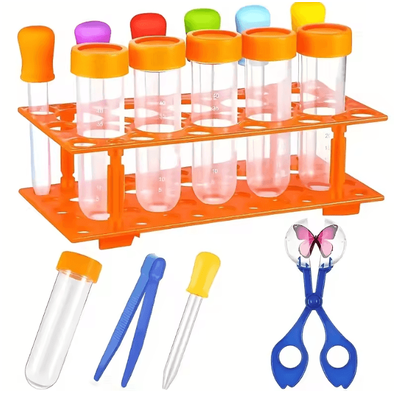
Sensory Skill Development Kit For Kids Sensory Skill Development Kit For KidsMake learning exciting with this hands on sensory play kit designed to help young children build coordination, confidence, and early developmental skills. This set includes oversized test tubes, colorful silicone droppers, and a durable storage box...34,98 $*Shipping: 0,00 $Secure redirect to the provider
-
Stretch Tube Suction Cup Sensory Toy With Flexible Telescopic Design 2pcs RedKeep little hands busy and minds engaged with this fun and flexible suction cup sensory toy designed for endless creativity and play. With its unique stretchable tube design, kids can pull, twist, and bend it into different shapes while enjoying...42,50 $*Shipping: 0,00 $Secure redirect to the provider
-
Are receptors sensory cells?
Receptors are not sensory cells themselves, but they are specialized proteins located on the surface of sensory cells. These receptors are responsible for detecting and responding to specific stimuli, such as light, sound, taste, or smell. When a receptor is activated by a stimulus, it triggers a series of biochemical reactions within the sensory cell, ultimately leading to the generation of a sensory signal that can be transmitted to the brain for processing. Therefore, while receptors are not sensory cells, they play a crucial role in the sensory process by detecting and transducing stimuli into neural signals. **
-
How can one actually distinguish synesthesia from a vivid imagination or genuine sensory perceptions?
Synesthesia can be distinguished from a vivid imagination or genuine sensory perceptions through several key factors. Firstly, synesthesia is a neurological condition in which stimulation of one sensory or cognitive pathway leads to automatic, involuntary experiences in a second sensory or cognitive pathway. This means that synesthetic experiences are consistent and repeatable, unlike the fluid and flexible nature of imagination. Additionally, synesthetic perceptions are often highly specific and consistent across individuals with the same type of synesthesia, whereas imagination and genuine sensory perceptions can vary widely from person to person. Finally, neuroimaging studies have shown that synesthetes exhibit distinct patterns of brain activity when experiencing their synesthetic perceptions, providing further evidence of the neurological basis of synesthesia. **
-
Why is sensory transduction necessary?
Sensory transduction is necessary because it allows the body to convert various forms of environmental stimuli, such as light, sound, touch, and chemical signals, into electrical signals that can be interpreted by the nervous system. This process is essential for the body to perceive and respond to its surroundings, allowing for the detection of potential dangers, the regulation of bodily functions, and the experience of sensations such as taste, smell, and touch. Without sensory transduction, the body would not be able to effectively interact with its environment and respond to changes in its surroundings. **
-
How does sensory development progress?
Sensory development progresses through a series of stages, beginning with basic sensory experiences such as touch, taste, and smell in infancy. As children grow, they develop more refined sensory abilities, such as improved vision and hearing, and begin to integrate sensory information to make sense of their environment. This process continues into adolescence and adulthood, with individuals becoming more adept at interpreting and responding to sensory stimuli. Overall, sensory development progresses from basic sensory experiences to more complex and integrated sensory abilities as individuals mature. **
* All prices are inclusive of VAT and, if applicable, plus shipping costs. The offer information is based on the details provided by the respective shop and is updated through automated processes. Real-time updates do not occur, so deviations can occur in individual cases. ** Note: Parts of this content were created by AI.