Buy art-works.eu ?
We are moving the project
art-works.eu .
Are you interested in purchasing the domain
art-works.eu ?
domain@kv-gmbh.de · 0541-91531010
Buy art-works.eu ?
What are geometric patterns?
Geometric patterns are repetitive designs or motifs that are created using geometric shapes such as lines, circles, triangles, squares, and other geometric elements. These patterns can be found in various forms of art, architecture, textiles, and nature. Geometric patterns are characterized by their symmetry, order, and precision, and they are often used to create visually appealing and harmonious compositions. **
What are geometric quantities?
Geometric quantities are measurements or properties of geometric figures or shapes. These quantities can include length, area, volume, angles, and curvature. They are used to describe and analyze the characteristics of geometric objects in mathematics and physics. Geometric quantities play a crucial role in various fields such as engineering, architecture, and computer graphics. **


Similar search terms for Nuloom-Anslie-Geometric-Indoor
Top-Angebote
Products related to Nuloom-Anslie-Geometric-Indoor:
-
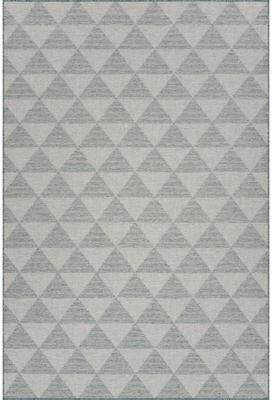
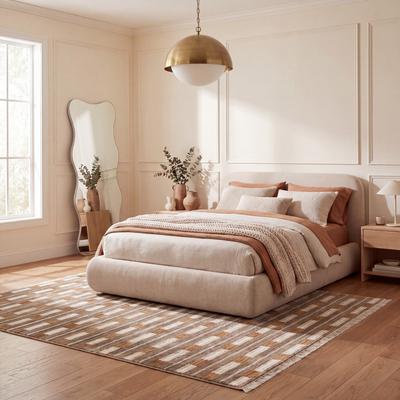
Nuloom Diorave Geometric Modern Indoor Area RugExperience a new level of luxury with this modern geometric area rug, where comfort and durability meet in perfect harmony. Expertly crafted in Turkey from eco-friendly materials, its plush 0.45-inch pile height offers a soft sanctuary underfoot.312,49 $*Shipping: 0,00 $Secure redirect to the provider


-
How do you form the expression of the geometric series from this?
To form the expression of the geometric series, we start with the first term of the series, denoted as "a". Then, we multiply this first term by the common ratio "r" raised to the power of the term number minus 1. This gives us the general expression for the nth term of the geometric series, which is given by a * r^(n-1). This expression allows us to find any term in the geometric series by plugging in the appropriate values for "a", "r", and "n". **
-
How can one design an indoor turtle enclosure?
To design an indoor turtle enclosure, you should consider the size and species of the turtle, as well as the necessary equipment such as a basking area, UVB lighting, and a water source. The enclosure should be large enough to allow the turtle to move around comfortably and should include a variety of substrates and hiding spots to mimic their natural habitat. It's important to maintain proper temperature and humidity levels within the enclosure, and to regularly clean and maintain the space to ensure the turtle's health and well-being. Additionally, it's important to research the specific needs of the turtle species to ensure the enclosure meets their requirements. **
-
What geometric shapes are there?
There are many geometric shapes, including circles, squares, rectangles, triangles, pentagons, hexagons, octagons, and more. **
-
What is the geometric problem?
The geometric problem refers to any issue or challenge related to the study of shapes, sizes, and properties of objects in space. This can include problems related to finding the area, perimeter, volume, or angles of various geometric figures, as well as problems involving transformations, congruence, similarity, and other geometric concepts. Geometric problems often require the use of mathematical reasoning and visualization skills to solve. **


What is a geometric equation?
A geometric equation is an equation that involves geometric figures such as points, lines, angles, and shapes. These equations often describe the relationships between the various elements of a geometric figure, such as the lengths of sides, the measures of angles, or the properties of different shapes. Geometric equations are used to solve problems related to geometry and are fundamental in understanding the properties and relationships of geometric figures. **
What is a geometric sequence?
A geometric sequence is a sequence of numbers where each term after the first is found by multiplying the previous term by a constant factor. This constant factor is called the common ratio. For example, in the sequence 2, 6, 18, 54, the common ratio is 3 because each term is obtained by multiplying the previous term by 3. Geometric sequences can be represented by the formula an = a1 * r^(n-1), where a1 is the first term, r is the common ratio, and n is the term number. **
Top-Angebote
Products related to Nuloom-Anslie-Geometric-Indoor:
-
What are geometric patterns?
Geometric patterns are repetitive designs or motifs that are created using geometric shapes such as lines, circles, triangles, squares, and other geometric elements. These patterns can be found in various forms of art, architecture, textiles, and nature. Geometric patterns are characterized by their symmetry, order, and precision, and they are often used to create visually appealing and harmonious compositions. **
-
What are geometric quantities?
Geometric quantities are measurements or properties of geometric figures or shapes. These quantities can include length, area, volume, angles, and curvature. They are used to describe and analyze the characteristics of geometric objects in mathematics and physics. Geometric quantities play a crucial role in various fields such as engineering, architecture, and computer graphics. **
-
How do you form the expression of the geometric series from this?
To form the expression of the geometric series, we start with the first term of the series, denoted as "a". Then, we multiply this first term by the common ratio "r" raised to the power of the term number minus 1. This gives us the general expression for the nth term of the geometric series, which is given by a * r^(n-1). This expression allows us to find any term in the geometric series by plugging in the appropriate values for "a", "r", and "n". **
-
How can one design an indoor turtle enclosure?
To design an indoor turtle enclosure, you should consider the size and species of the turtle, as well as the necessary equipment such as a basking area, UVB lighting, and a water source. The enclosure should be large enough to allow the turtle to move around comfortably and should include a variety of substrates and hiding spots to mimic their natural habitat. It's important to maintain proper temperature and humidity levels within the enclosure, and to regularly clean and maintain the space to ensure the turtle's health and well-being. Additionally, it's important to research the specific needs of the turtle species to ensure the enclosure meets their requirements. **
Similar search terms for Nuloom-Anslie-Geometric-Indoor
-
Nuloom Diorave Geometric Modern Indoor Area RugExperience a new level of luxury with this modern geometric area rug, where comfort and durability meet in perfect harmony. Expertly crafted in Turkey from eco-friendly materials, its plush 0.45-inch pile height offers a soft sanctuary underfoot.312,49 $*Shipping: 0,00 $Secure redirect to the provider
-
What geometric shapes are there?
There are many geometric shapes, including circles, squares, rectangles, triangles, pentagons, hexagons, octagons, and more. **
-
What is the geometric problem?
The geometric problem refers to any issue or challenge related to the study of shapes, sizes, and properties of objects in space. This can include problems related to finding the area, perimeter, volume, or angles of various geometric figures, as well as problems involving transformations, congruence, similarity, and other geometric concepts. Geometric problems often require the use of mathematical reasoning and visualization skills to solve. **
-
What is a geometric equation?
A geometric equation is an equation that involves geometric figures such as points, lines, angles, and shapes. These equations often describe the relationships between the various elements of a geometric figure, such as the lengths of sides, the measures of angles, or the properties of different shapes. Geometric equations are used to solve problems related to geometry and are fundamental in understanding the properties and relationships of geometric figures. **
-
What is a geometric sequence?
A geometric sequence is a sequence of numbers where each term after the first is found by multiplying the previous term by a constant factor. This constant factor is called the common ratio. For example, in the sequence 2, 6, 18, 54, the common ratio is 3 because each term is obtained by multiplying the previous term by 3. Geometric sequences can be represented by the formula an = a1 * r^(n-1), where a1 is the first term, r is the common ratio, and n is the term number. **
* All prices are inclusive of VAT and, if applicable, plus shipping costs. The offer information is based on the details provided by the respective shop and is updated through automated processes. Real-time updates do not occur, so deviations can occur in individual cases. ** Note: Parts of this content were created by AI.