Buy art-works.eu ?
We are moving the project
art-works.eu .
Are you interested in purchasing the domain
art-works.eu ?
domain@kv-gmbh.de · 0541-91531010
Buy art-works.eu ?
Why is Faust called Faust?
Faust is called Faust because he is the main character in Johann Wolfgang von Goethe's play "Faust." The character is based on the historical figure Johann Georg Faust, a German alchemist and astrologer who lived in the 16th century. Goethe's Faust is a complex character who makes a pact with the devil in exchange for knowledge and power, leading to a series of moral dilemmas and struggles. The name "Faust" has since become synonymous with the pursuit of knowledge and the consequences of unchecked ambition. **
What parallels exist between Goethe's Faust and other works?
There are several parallels between Goethe's Faust and other works, such as the theme of a protagonist making a pact with the devil in exchange for knowledge, power, or fulfillment of desires. This theme is also present in Christopher Marlowe's play "Doctor Faustus" and in various folk tales and legends. Additionally, the character of Faust can be seen as a representation of the human desire for limitless knowledge and experience, which is a common theme in literature and philosophy. Finally, the exploration of morality, redemption, and the consequences of one's actions are themes that are also found in other works that deal with similar Faustian bargains. **


Similar search terms for Faust
Top-Angebote
Products related to Faust:
-
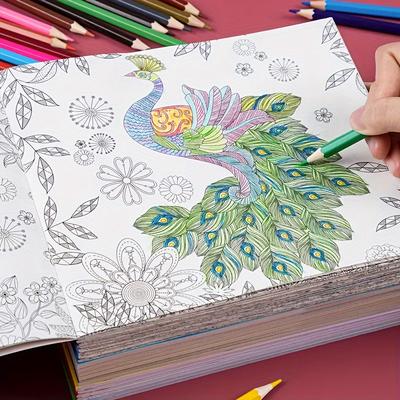
Anti Stress Adult Colouring Book, Random Copy Design For Mindfulness And Creativity Anti Stress Adult Colouring Book, Random Copy Design For Mindfulness And CreativityUnleash your creativity and find your daily moment of calm with our adult anti pressure colouring book. This isn't just an activity; it's your personal sanctuary, designed to help you unwind, DEstress, and engage in a truly therapeutic...39,97 $*Shipping: 0,00 $Secure redirect to the provider
-
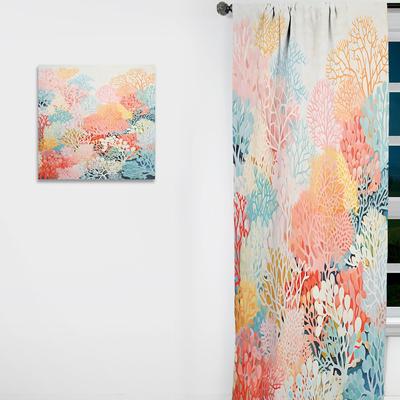
DESIGN ART "Designart ""Coral Reef Barrier Expression"" Coastal Coral Curtain - Blackout Animal Print Curtain - 1 Panel""Bring a breath of fresh air to your windows and spruce up any space in your home with this ""Coral Reef Barrier Expression"" Coastal Coral 1 panel curtain. This beautiful Nautical curtain is handmade on demand just for you."69,83 $*Shipping: 0,00 $Secure redirect to the provider


-
Which other literary works contain the motif of Faust?
The motif of Faust, a character who makes a pact with the devil in exchange for knowledge and power, appears in various literary works. One of the most famous is Christopher Marlowe's play "The Tragical History of Doctor Faustus," which predates Goethe's "Faust." Additionally, the character of Faust has been referenced and adapted in numerous other works, including Thomas Mann's novel "Doctor Faustus," Mikhail Bulgakov's novel "The Master and Margarita," and even in modern works such as the comic book series "Hellblazer" and the TV show "Supernatural." The motif of Faust continues to inspire and influence literature and popular culture. **
-
What development does Faust undergo in Faust 2?
In "Faust 2," Faust undergoes a significant development in his character as he transitions from a restless seeker of knowledge to a more reflective and repentant figure. He grapples with the consequences of his actions and seeks redemption for his past sins. Through his interactions with characters like Gretchen and Helen of Troy, Faust gains a deeper understanding of love, morality, and the human experience. Ultimately, Faust's journey in "Faust 2" can be seen as a quest for spiritual enlightenment and inner peace. **
-
How do Faust and Gretchen come together in Faust I?
Faust and Gretchen come together in Faust I through a chance encounter in a street. Faust is immediately captivated by Gretchen's beauty and innocence, and he uses his charm and wit to win her over. Despite Gretchen's initial reluctance, she eventually falls in love with Faust and they begin a passionate relationship. However, their love story takes a tragic turn as Faust's actions lead to Gretchen's downfall. **
-
What are the differences between Faust 1 and Faust 2?
"Faust Part 1" focuses on Faust's pact with Mephistopheles and his pursuit of knowledge and pleasure, while "Faust Part 2" delves into Faust's striving for power, wealth, and ultimately redemption. In Part 1, Faust's main goal is to experience life to the fullest, while in Part 2, he seeks to leave a lasting legacy and achieve transcendence. Part 1 is more focused on individual desires and struggles, while Part 2 explores broader themes of society, politics, and spirituality. Additionally, Part 2 introduces new characters and settings, expanding the scope of the story beyond Faust's personal journey. **


What kind of development does Faust undergo in Faust 2?
In Faust 2, Faust undergoes a complex development that involves spiritual growth, moral reflection, and a quest for knowledge and fulfillment. Initially driven by a desire for power and worldly pleasures, Faust's character evolves as he grapples with ethical dilemmas and seeks redemption. Through his interactions with characters like Mephistopheles, Gretchen, and Helen of Troy, Faust experiences a transformation that ultimately leads to his reconciliation with God and a sense of inner peace. This development highlights themes of human ambition, the pursuit of wisdom, and the consequences of one's actions. **
Is it worth reading Goethe's Faust I and Faust II?
Yes, it is definitely worth reading Goethe's Faust I and Faust II. These two plays are considered some of the greatest works in German literature and have had a significant influence on Western literature and culture. They explore profound philosophical and existential themes, such as the pursuit of knowledge, the nature of good and evil, and the human condition. The characters are complex and the language is rich and poetic, making it a rewarding and thought-provoking read for anyone interested in classic literature. **
Top-Angebote
Products related to Faust:
-
Smells Like Spells Norse Magic Bragi incense sticks (inspiration/creativity) 50 gSmells Like Spells Norse Magic Bragi, 50 g, Incense Sticks Home Scents, Smells Like Spells Norse Magic Bragi incense sticks are suitable for scenting spaces and creating a pleasant atmosphere. They help prevent stress, have a positive effect on the human psyche, calm the mind and are also a disinfectant. Characteristics: a fresh fragrance a herbal aroma How to use: Light the end of the incense stick and blow out the flame. Place the stick in a holder. Make sure there is no draught in the room. Place the holder on a hard surface so that it does not fall over. Do not leave the product within the reach of children or pets.6,10 £*Shipping: 3,99 £Secure redirect to the provider
-
Anti Stress Adult Colouring Book, Random Copy Design For Mindfulness And Creativity Anti Stress Adult Colouring Book, Random Copy Design For Mindfulness And CreativityUnleash your creativity and find your daily moment of calm with our adult anti pressure colouring book. This isn't just an activity; it's your personal sanctuary, designed to help you unwind, DEstress, and engage in a truly therapeutic...39,97 $*Shipping: 0,00 $Secure redirect to the provider
-
DESIGN ART "Designart ""Coral Reef Barrier Expression"" Coastal Coral Curtain - Blackout Animal Print Curtain - 1 Panel""Bring a breath of fresh air to your windows and spruce up any space in your home with this ""Coral Reef Barrier Expression"" Coastal Coral 1 panel curtain. This beautiful Nautical curtain is handmade on demand just for you."69,83 $*Shipping: 0,00 $Secure redirect to the provider
-
Why is Faust called Faust?
Faust is called Faust because he is the main character in Johann Wolfgang von Goethe's play "Faust." The character is based on the historical figure Johann Georg Faust, a German alchemist and astrologer who lived in the 16th century. Goethe's Faust is a complex character who makes a pact with the devil in exchange for knowledge and power, leading to a series of moral dilemmas and struggles. The name "Faust" has since become synonymous with the pursuit of knowledge and the consequences of unchecked ambition. **
-
What parallels exist between Goethe's Faust and other works?
There are several parallels between Goethe's Faust and other works, such as the theme of a protagonist making a pact with the devil in exchange for knowledge, power, or fulfillment of desires. This theme is also present in Christopher Marlowe's play "Doctor Faustus" and in various folk tales and legends. Additionally, the character of Faust can be seen as a representation of the human desire for limitless knowledge and experience, which is a common theme in literature and philosophy. Finally, the exploration of morality, redemption, and the consequences of one's actions are themes that are also found in other works that deal with similar Faustian bargains. **
-
Which other literary works contain the motif of Faust?
The motif of Faust, a character who makes a pact with the devil in exchange for knowledge and power, appears in various literary works. One of the most famous is Christopher Marlowe's play "The Tragical History of Doctor Faustus," which predates Goethe's "Faust." Additionally, the character of Faust has been referenced and adapted in numerous other works, including Thomas Mann's novel "Doctor Faustus," Mikhail Bulgakov's novel "The Master and Margarita," and even in modern works such as the comic book series "Hellblazer" and the TV show "Supernatural." The motif of Faust continues to inspire and influence literature and popular culture. **
-
What development does Faust undergo in Faust 2?
In "Faust 2," Faust undergoes a significant development in his character as he transitions from a restless seeker of knowledge to a more reflective and repentant figure. He grapples with the consequences of his actions and seeks redemption for his past sins. Through his interactions with characters like Gretchen and Helen of Troy, Faust gains a deeper understanding of love, morality, and the human experience. Ultimately, Faust's journey in "Faust 2" can be seen as a quest for spiritual enlightenment and inner peace. **
Similar search terms for Faust
-
How do Faust and Gretchen come together in Faust I?
Faust and Gretchen come together in Faust I through a chance encounter in a street. Faust is immediately captivated by Gretchen's beauty and innocence, and he uses his charm and wit to win her over. Despite Gretchen's initial reluctance, she eventually falls in love with Faust and they begin a passionate relationship. However, their love story takes a tragic turn as Faust's actions lead to Gretchen's downfall. **
-
What are the differences between Faust 1 and Faust 2?
"Faust Part 1" focuses on Faust's pact with Mephistopheles and his pursuit of knowledge and pleasure, while "Faust Part 2" delves into Faust's striving for power, wealth, and ultimately redemption. In Part 1, Faust's main goal is to experience life to the fullest, while in Part 2, he seeks to leave a lasting legacy and achieve transcendence. Part 1 is more focused on individual desires and struggles, while Part 2 explores broader themes of society, politics, and spirituality. Additionally, Part 2 introduces new characters and settings, expanding the scope of the story beyond Faust's personal journey. **
-
What kind of development does Faust undergo in Faust 2?
In Faust 2, Faust undergoes a complex development that involves spiritual growth, moral reflection, and a quest for knowledge and fulfillment. Initially driven by a desire for power and worldly pleasures, Faust's character evolves as he grapples with ethical dilemmas and seeks redemption. Through his interactions with characters like Mephistopheles, Gretchen, and Helen of Troy, Faust experiences a transformation that ultimately leads to his reconciliation with God and a sense of inner peace. This development highlights themes of human ambition, the pursuit of wisdom, and the consequences of one's actions. **
-
Is it worth reading Goethe's Faust I and Faust II?
Yes, it is definitely worth reading Goethe's Faust I and Faust II. These two plays are considered some of the greatest works in German literature and have had a significant influence on Western literature and culture. They explore profound philosophical and existential themes, such as the pursuit of knowledge, the nature of good and evil, and the human condition. The characters are complex and the language is rich and poetic, making it a rewarding and thought-provoking read for anyone interested in classic literature. **
* All prices are inclusive of VAT and, if applicable, plus shipping costs. The offer information is based on the details provided by the respective shop and is updated through automated processes. Real-time updates do not occur, so deviations can occur in individual cases. ** Note: Parts of this content were created by AI.