Buy art-works.eu ?
We are moving the project
art-works.eu .
Are you interested in purchasing the domain
art-works.eu ?
domain@kv-gmbh.de · 0541-91531010
Buy art-works.eu ?
What is the difference between trumpet and trombone?
The main difference between a trumpet and a trombone lies in their construction and sound production. A trumpet is a brass instrument with a cylindrical bore and a flared bell, producing a bright and piercing sound. On the other hand, a trombone has a larger, conical bore and a sliding mechanism (slide) that changes the length of the tubing, allowing for a smoother and more mellow sound. Additionally, the trumpet is a higher-pitched instrument, while the trombone typically plays lower notes. **
How can trombone notes be transcribed into trumpet notes?
Transcribing trombone notes into trumpet notes involves understanding the different ranges and capabilities of each instrument. Trombones are pitched in the key of B-flat or C, while trumpets are pitched in B-flat. To transcribe trombone notes to trumpet, the notes need to be adjusted to fit within the trumpet's range. This may involve changing the octave, altering the key signature, or adjusting the intervals to ensure the notes are playable on the trumpet. It's important to consider the differences in timbre and technique between the two instruments when transcribing to ensure the music is idiomatic for the trumpet. **


Similar search terms for Deformation-Repair-Trombone-Trumpet
Top-Angebote
Products related to Deformation-Repair-Trombone-Trumpet:
-
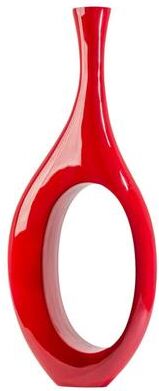
Finesse Decor Trombone Modern Handmade Resin VaseFinesse décor brings you a modern trombone vase with an open middle. The unique shape allows the vase to be a perfect statement piece for any room. This vase is made out of resin, with features in a small and large size and a white and red color.217,76 $*Shipping: 0,00 $Secure redirect to the provider
-
Precision Trombone Water Key Replacement Spit Valve Durable Brass Instrument Accessory Precision Trombone Water Key Replacement Spit Valve Durable Brass Instrument AccessoryFeel the difference every time you play with a reliable, smoothfunctioning trombone water key designed to keep your instrument performing at its best. This essential replacement part helps musicians maintain clean airflow and consistent tone by...34,97 $*Shipping: 0,00 $Secure redirect to the provider
-
Professional Trumpet Water Key Replacement Kit With Brass Instrument Spit Valve And Spring Repair Set sBring your trumpet back to life with a reliable trumpet water key designed for smooth performance and longlasting durability. This compact yet essential brass instrument spit valve kit is perfect for musicians who want consistent airflow and clean...29,97 $*Shipping: 0,00 $Secure redirect to the provider
-
Car Dent Puller Suction Cup Repair Tool trumpet YellowProduct Description: Remove small dents quickly and easily with this compact car dent puller. Featuring a strong suction cup and ergonomic handle, it provides a simple, paintsafe solution for minor body panel repairs on cars, glass, tiles, and other...45,97 $*Shipping: 0,00 $Secure redirect to the provider


-
Why is the trombone called a trombone?
The word "trombone" is derived from the Italian word "tromba" which means trumpet, and the suffix "-one" which means large. This name reflects the instrument's origins as a large version of the trumpet. The trombone's name also refers to its unique feature of using a slide to change the length of the tubing, allowing players to produce a wide range of pitches. **
-
What is deformation energy?
Deformation energy is the energy required to change the shape or size of a material. When a material is subjected to external forces, it undergoes deformation, which involves the rearrangement of its atomic structure. This process requires energy to overcome the forces holding the atoms together. Deformation energy is important in understanding the mechanical behavior of materials, such as their ability to withstand stress and strain. **
-
What is a trombone?
A trombone is a brass instrument that belongs to the low-pitched brass family. It consists of a long cylindrical tube with a flared bell at one end and a sliding section that allows the player to change the pitch of the notes. The trombone is played by buzzing the lips into a mouthpiece and using the slide to produce different pitches. It is commonly used in orchestras, concert bands, jazz ensembles, and marching bands. **
-
How do I transpose a bass C trombone to a B trombone?
To transpose a bass C trombone to a B trombone, you would need to lower the pitch of the music by a whole step. This means that every note on the bass C trombone would need to be played two semitones lower on the B trombone. For example, if you see a C on the bass C trombone, you would play a B on the B trombone. You can achieve this by mentally adjusting the notes as you play, or by using a transposing instrument chart to help you make the necessary adjustments. **


Where was the trombone invented?
The trombone was invented in the 15th century in Burgundy, France. It is believed to have evolved from the Renaissance slide trumpet. The trombone's unique sliding mechanism allowed for a wider range of notes and expressive capabilities, making it a versatile and popular instrument in orchestras and ensembles. **
How does the trombone work?
The trombone is a brass instrument that produces sound through the vibration of the player's lips against a mouthpiece. By changing the position of the player's lips and the amount of air blown into the instrument, different pitches can be produced. The trombone also features a slide mechanism that allows the player to change the length of the tubing, which in turn changes the pitch of the notes produced. This combination of lip vibration, air pressure, and slide movement allows the trombone player to create a wide range of musical tones and melodies. **
Top-Angebote
Products related to Deformation-Repair-Trombone-Trumpet:
-
Deformation Repair Trombone, Trumpet, French Horn Mouthpiece, Brasswind Accessory Deformation Repair Trombone, Trumpet, French Horn Mouthpiece, Brasswind AccessoryHighQuality Trombone, French Horn, Trumpet Mouthpiece Repair Parts Ensure the longevity and performance of your brasswind instrument with these Trombone, French Horn, Trumpet Mouthpiece repair parts. Designed for musicians who value precision, these...39,97 $*Shipping: 0,00 $Secure redirect to the provider
-
Car Dent Puller Suction Cup Repair Tool trumpet BlueProduct Description: Remove small dents quickly and easily with this compact car dent puller. Featuring a strong suction cup and ergonomic handle, it provides a simple, paintsafe solution for minor body panel repairs on cars, glass, tiles, and other...45,97 $*Shipping: 0,00 $Secure redirect to the provider
-
Finesse Decor Trombone Modern Handmade Resin VaseFinesse décor brings you a modern trombone vase with an open middle. The unique shape allows the vase to be a perfect statement piece for any room. This vase is made out of resin, with features in a small and large size and a white and red color.217,76 $*Shipping: 0,00 $Secure redirect to the provider
-
Precision Trombone Water Key Replacement Spit Valve Durable Brass Instrument Accessory Precision Trombone Water Key Replacement Spit Valve Durable Brass Instrument AccessoryFeel the difference every time you play with a reliable, smoothfunctioning trombone water key designed to keep your instrument performing at its best. This essential replacement part helps musicians maintain clean airflow and consistent tone by...34,97 $*Shipping: 0,00 $Secure redirect to the provider
-
What is the difference between trumpet and trombone?
The main difference between a trumpet and a trombone lies in their construction and sound production. A trumpet is a brass instrument with a cylindrical bore and a flared bell, producing a bright and piercing sound. On the other hand, a trombone has a larger, conical bore and a sliding mechanism (slide) that changes the length of the tubing, allowing for a smoother and more mellow sound. Additionally, the trumpet is a higher-pitched instrument, while the trombone typically plays lower notes. **
-
How can trombone notes be transcribed into trumpet notes?
Transcribing trombone notes into trumpet notes involves understanding the different ranges and capabilities of each instrument. Trombones are pitched in the key of B-flat or C, while trumpets are pitched in B-flat. To transcribe trombone notes to trumpet, the notes need to be adjusted to fit within the trumpet's range. This may involve changing the octave, altering the key signature, or adjusting the intervals to ensure the notes are playable on the trumpet. It's important to consider the differences in timbre and technique between the two instruments when transcribing to ensure the music is idiomatic for the trumpet. **
-
Why is the trombone called a trombone?
The word "trombone" is derived from the Italian word "tromba" which means trumpet, and the suffix "-one" which means large. This name reflects the instrument's origins as a large version of the trumpet. The trombone's name also refers to its unique feature of using a slide to change the length of the tubing, allowing players to produce a wide range of pitches. **
-
What is deformation energy?
Deformation energy is the energy required to change the shape or size of a material. When a material is subjected to external forces, it undergoes deformation, which involves the rearrangement of its atomic structure. This process requires energy to overcome the forces holding the atoms together. Deformation energy is important in understanding the mechanical behavior of materials, such as their ability to withstand stress and strain. **
Similar search terms for Deformation-Repair-Trombone-Trumpet
-
Professional Trumpet Water Key Replacement Kit With Brass Instrument Spit Valve And Spring Repair Set sBring your trumpet back to life with a reliable trumpet water key designed for smooth performance and longlasting durability. This compact yet essential brass instrument spit valve kit is perfect for musicians who want consistent airflow and clean...29,97 $*Shipping: 0,00 $Secure redirect to the provider
-
Car Dent Puller Suction Cup Repair Tool trumpet YellowProduct Description: Remove small dents quickly and easily with this compact car dent puller. Featuring a strong suction cup and ergonomic handle, it provides a simple, paintsafe solution for minor body panel repairs on cars, glass, tiles, and other...45,97 $*Shipping: 0,00 $Secure redirect to the provider
-
Car Dent Puller Suction Cup Repair Tool trumpet OrangeProduct Description: Remove small dents quickly and easily with this compact car dent puller. Featuring a strong suction cup and ergonomic handle, it provides a simple, paintsafe solution for minor body panel repairs on cars, glass, tiles, and other...45,97 $*Shipping: 0,00 $Secure redirect to the provider
-
Car Dent Puller Suction Cup Repair Tool trumpet BlackProduct Description: Remove small dents quickly and easily with this compact car dent puller. Featuring a strong suction cup and ergonomic handle, it provides a simple, paintsafe solution for minor body panel repairs on cars, glass, tiles, and other...45,97 $*Shipping: 0,00 $Secure redirect to the provider
-
What is a trombone?
A trombone is a brass instrument that belongs to the low-pitched brass family. It consists of a long cylindrical tube with a flared bell at one end and a sliding section that allows the player to change the pitch of the notes. The trombone is played by buzzing the lips into a mouthpiece and using the slide to produce different pitches. It is commonly used in orchestras, concert bands, jazz ensembles, and marching bands. **
-
How do I transpose a bass C trombone to a B trombone?
To transpose a bass C trombone to a B trombone, you would need to lower the pitch of the music by a whole step. This means that every note on the bass C trombone would need to be played two semitones lower on the B trombone. For example, if you see a C on the bass C trombone, you would play a B on the B trombone. You can achieve this by mentally adjusting the notes as you play, or by using a transposing instrument chart to help you make the necessary adjustments. **
-
Where was the trombone invented?
The trombone was invented in the 15th century in Burgundy, France. It is believed to have evolved from the Renaissance slide trumpet. The trombone's unique sliding mechanism allowed for a wider range of notes and expressive capabilities, making it a versatile and popular instrument in orchestras and ensembles. **
-
How does the trombone work?
The trombone is a brass instrument that produces sound through the vibration of the player's lips against a mouthpiece. By changing the position of the player's lips and the amount of air blown into the instrument, different pitches can be produced. The trombone also features a slide mechanism that allows the player to change the length of the tubing, which in turn changes the pitch of the notes produced. This combination of lip vibration, air pressure, and slide movement allows the trombone player to create a wide range of musical tones and melodies. **
* All prices are inclusive of VAT and, if applicable, plus shipping costs. The offer information is based on the details provided by the respective shop and is updated through automated processes. Real-time updates do not occur, so deviations can occur in individual cases. ** Note: Parts of this content were created by AI.