Buy art-works.eu ?
We are moving the project
art-works.eu .
Are you interested in purchasing the domain
art-works.eu ?
domain@kv-gmbh.de · 0541-91531010
Buy art-works.eu ?
Which cells have chloroplasts?
Chloroplasts are found in plant cells and some algae cells. **
How are chloroplasts structured?
Chloroplasts are double-membrane organelles found in plant cells that contain their own DNA and ribosomes. They have a fluid-filled interior called the stroma, where the process of photosynthesis takes place. Within the stroma are stacks of thylakoid membranes called grana, which contain chlorophyll and other pigments that capture light energy. The thylakoid membranes are where the light-dependent reactions of photosynthesis occur, producing ATP and NADPH. Overall, the structure of chloroplasts is highly specialized for the process of photosynthesis, allowing plants to convert light energy into chemical energy. **

Similar search terms for Chloroplasts
Top-Angebote
Products related to Chloroplasts:
-
bareMinerals Mineralist Gloss-Balm-ImaginationDrench lips with sheer colour and glossy shine. Enriched with sustainably sourced fruit oils, this vegan lip gloss-balm delivers instant nourishment in a cushiony, non-sticky formula. Lips feel softer, smoother and more hydrated over time - even after you take it off. The cap and vial are made with post-consumer recycled plastic. Get the best of gloss and balm in one: sheer colour, high-shine and irresistibly soft lips. 90% said their lips felt instantly hydrated* Delivers up to 50% smoother lips in just 1 week* Based on a 1-week clinical study with 30 people. Results may vary. Dermatologist-tested. Shades: • Ambition • Clarity • Enlightenment • Heart • Imagination • Ingenuity • Love • Peace • Serenity • Sincerity • Trust • Vision • Wonder • Zen Ingredients Ambition, Clarity, Enlightenment, Heart, Imagination, Ingenuity, Love, Peace, Serenity, Sincerity, Trust, Vision, Wonder, Zen: Diisostearyl Malate, Phenyl Dimethicone, Triisostearyl Citrate, Glyceryl Behenate, Helianthus Annuus (Sunflower) Seed Wax, Simmondsia Chinensis (Jojoba) Seed Oil, Punica Granatum Flower Extract, Hippophae Rhamnoides Oil, Prunus Domestica Seed Oil, Ascorbyl Palmitate, Tocopherol, Silica Dimethyl Silylate, Calcium Stearate, Polyglyceryl-2 Triisostearate, Flavor (Aroma), Linalool. May Contain/Peut Contenir (+/-): Mica, Titanium Dioxide (Ci 77891), Iron Oxides (Ci 77491, Ci 77492, Ci 77499), Blue 1 Lake (Ci 42090), Red 7 Lake (Ci 15850), Red 28 Lake (Ci 45410), Yellow 5 Lake (Ci 19140).15,60 £*Shipping: 2,95 £Secure redirect to the provider
-
Sagebrook Home Hennie Black & White Glass Vase CraftsmanshipElevate your space with the essence of elegance through Sagebrook Home's exquisite glass vase. Expertly crafted from the finest materials, this delicate piece is a testament to timeless beauty, poised to enhance any bouquet.79,99 $*Shipping: 0,00 $Secure redirect to the provider
-
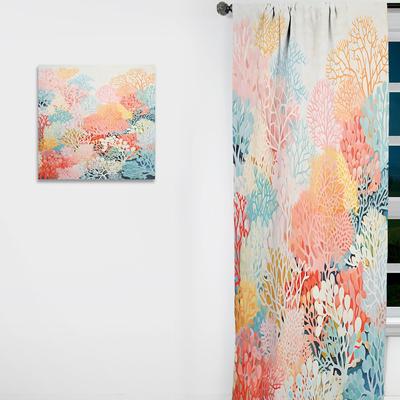
DESIGN ART "Designart ""Coral Reef Barrier Expression"" Coastal Coral Curtain - Blackout Animal Print Curtain - 1 Panel""Bring a breath of fresh air to your windows and spruce up any space in your home with this ""Coral Reef Barrier Expression"" Coastal Coral 1 panel curtain. This beautiful Nautical curtain is handmade on demand just for you."82,99 $*Shipping: 0,00 $Secure redirect to the provider




-
What are mitochondria and chloroplasts?
Mitochondria are membrane-bound organelles found in the cells of eukaryotic organisms, responsible for producing energy in the form of ATP through cellular respiration. They have their own DNA and are thought to have originated from ancient bacteria through endosymbiosis. Chloroplasts are also membrane-bound organelles found in plant cells and some protists, responsible for photosynthesis, the process by which they convert sunlight into energy-rich molecules like glucose. Like mitochondria, chloroplasts also have their own DNA and are believed to have originated from ancient photosynthetic bacteria through endosymbiosis. **
-
Can humans also have chloroplasts?
No, humans cannot have chloroplasts. Chloroplasts are organelles found in plant cells that are responsible for photosynthesis, the process by which plants convert sunlight into energy. Humans do not have chloroplasts because they do not undergo photosynthesis. Instead, humans rely on the consumption of plants and other organisms to obtain the energy they need for survival. **
-
How are chloroplasts and plastids formed?
Chloroplasts and plastids are formed through a process called biogenesis, which involves the replication of existing organelles. They are believed to have originated from endosymbiotic cyanobacteria that were engulfed by a eukaryotic cell. Over time, these cyanobacteria evolved into chloroplasts and plastids, developing a symbiotic relationship with the host cell. This process allowed for the transfer of genetic material between the organelles and the host cell, leading to the formation of chloroplasts and plastids as we know them today. **
-
What are the functions of chloroplasts?
Chloroplasts are the organelles responsible for photosynthesis in plant cells. Their main function is to capture light energy and convert it into chemical energy in the form of glucose, which serves as the primary source of energy for the plant. Chloroplasts also contain chlorophyll, the green pigment that gives plants their color and is essential for the absorption of light during photosynthesis. Additionally, chloroplasts are involved in the synthesis of other important molecules, such as amino acids and lipids, and play a role in the regulation of cellular metabolism. **


Why do chloroplasts have a double membrane?
Chloroplasts have a double membrane because they are believed to have originated from a process called endosymbiosis, where a eukaryotic cell engulfed a photosynthetic prokaryote. The double membrane likely represents the original prokaryotic cell's plasma membrane and the membrane of the vesicle that engulfed it. This double membrane structure helps protect the chloroplast's internal structures and allows for compartmentalization of different metabolic processes within the organelle. **
In which leaf cells are chloroplasts located?
Chloroplasts are located in the mesophyll cells of the leaf. Mesophyll cells are the main site of photosynthesis in the leaf, and they contain numerous chloroplasts, which are responsible for capturing light energy and converting it into chemical energy through the process of photosynthesis. The chloroplasts contain the pigment chlorophyll, which gives leaves their green color and is essential for the absorption of light energy. **
Top-Angebote
Products related to Chloroplasts:
-
FOREO Imagination 100mlFOREO Imagination unique formula acts as the perfect base to your homemade face mask - so now you can make the most out of the fresh, natural ingredients from your kitchen. Formulated with Triple Infusion Complex, active nutrients are absorbed deep into the skin, feeding it from within. This antioxidant rich innovative product is enriched with Squalane and Vitamin E to help replenish fatty acids, and protect the skin from UV damage and damage caused by free radicals, leaving your skin looking and feeling healthier than ever before. Ingredients Aqua/Water/Eau, Glycerin, Cetearyl Alcohol, Caprylic/Capric Triglyceride, Cetyl Ethylhexanoate, Glyceryl Stearate, PEG-100 Stearate, Glycereth-26, Magnesium Aluminometasilicate, Dicaprylyl Carbonate, Hydroxyethyl Acrylate/Sodium Acryloyldimethyl Taurate Copolymer, Squalane, Potassium Cetyl Phosphate, Polysorbate 60, Trehalose, Hydroxyacetophenone, Pentaerythrityl Distearate, 1,2-Hexanediol, Xanthan Gum, Phospholipids, Allantoin, Panthenol, Bis-Ethoxydiglycol Cyclohexane 1,4-Dicarboxylate, Tocopheryl Acetate, Citrus Aurantium Dulcis Oil, Glycine Soja Oil, Sodium PCA, Disodium EDTA, Glycolipids, Dipotassium Glycyrrhizate, Glycine Soja Sterols, Propylene Glycol, Sodium Hyaluronate, Linoleic Acid, Glyceryl Linolenate41,99 £*Shipping: 0,00 £Secure redirect to the provider
-
DESIGN ART "Designart ""Coral Reef Barrier Expression"" Coastal Coral Curtain - Blackout Animal Print Curtain - 1 Panel""Bring a breath of fresh air to your windows and spruce up any space in your home with this ""Coral Reef Barrier Expression"" Coastal Coral 1 panel curtain. This beautiful Nautical curtain is handmade on demand just for you."71,99 $*Shipping: 0,00 $Secure redirect to the provider
-
bareMinerals Mineralist Gloss-Balm-ImaginationDrench lips with sheer colour and glossy shine. Enriched with sustainably sourced fruit oils, this vegan lip gloss-balm delivers instant nourishment in a cushiony, non-sticky formula. Lips feel softer, smoother and more hydrated over time - even after you take it off. The cap and vial are made with post-consumer recycled plastic. Get the best of gloss and balm in one: sheer colour, high-shine and irresistibly soft lips. 90% said their lips felt instantly hydrated* Delivers up to 50% smoother lips in just 1 week* Based on a 1-week clinical study with 30 people. Results may vary. Dermatologist-tested. Shades: • Ambition • Clarity • Enlightenment • Heart • Imagination • Ingenuity • Love • Peace • Serenity • Sincerity • Trust • Vision • Wonder • Zen Ingredients Ambition, Clarity, Enlightenment, Heart, Imagination, Ingenuity, Love, Peace, Serenity, Sincerity, Trust, Vision, Wonder, Zen: Diisostearyl Malate, Phenyl Dimethicone, Triisostearyl Citrate, Glyceryl Behenate, Helianthus Annuus (Sunflower) Seed Wax, Simmondsia Chinensis (Jojoba) Seed Oil, Punica Granatum Flower Extract, Hippophae Rhamnoides Oil, Prunus Domestica Seed Oil, Ascorbyl Palmitate, Tocopherol, Silica Dimethyl Silylate, Calcium Stearate, Polyglyceryl-2 Triisostearate, Flavor (Aroma), Linalool. May Contain/Peut Contenir (+/-): Mica, Titanium Dioxide (Ci 77891), Iron Oxides (Ci 77491, Ci 77492, Ci 77499), Blue 1 Lake (Ci 42090), Red 7 Lake (Ci 15850), Red 28 Lake (Ci 45410), Yellow 5 Lake (Ci 19140).15,60 £*Shipping: 2,95 £Secure redirect to the provider
-
Sagebrook Home Hennie Black & White Glass Vase CraftsmanshipElevate your space with the essence of elegance through Sagebrook Home's exquisite glass vase. Expertly crafted from the finest materials, this delicate piece is a testament to timeless beauty, poised to enhance any bouquet.79,99 $*Shipping: 0,00 $Secure redirect to the provider
-
Which cells have chloroplasts?
Chloroplasts are found in plant cells and some algae cells. **
-
How are chloroplasts structured?
Chloroplasts are double-membrane organelles found in plant cells that contain their own DNA and ribosomes. They have a fluid-filled interior called the stroma, where the process of photosynthesis takes place. Within the stroma are stacks of thylakoid membranes called grana, which contain chlorophyll and other pigments that capture light energy. The thylakoid membranes are where the light-dependent reactions of photosynthesis occur, producing ATP and NADPH. Overall, the structure of chloroplasts is highly specialized for the process of photosynthesis, allowing plants to convert light energy into chemical energy. **
-
What are mitochondria and chloroplasts?
Mitochondria are membrane-bound organelles found in the cells of eukaryotic organisms, responsible for producing energy in the form of ATP through cellular respiration. They have their own DNA and are thought to have originated from ancient bacteria through endosymbiosis. Chloroplasts are also membrane-bound organelles found in plant cells and some protists, responsible for photosynthesis, the process by which they convert sunlight into energy-rich molecules like glucose. Like mitochondria, chloroplasts also have their own DNA and are believed to have originated from ancient photosynthetic bacteria through endosymbiosis. **
-
Can humans also have chloroplasts?
No, humans cannot have chloroplasts. Chloroplasts are organelles found in plant cells that are responsible for photosynthesis, the process by which plants convert sunlight into energy. Humans do not have chloroplasts because they do not undergo photosynthesis. Instead, humans rely on the consumption of plants and other organisms to obtain the energy they need for survival. **
Similar search terms for Chloroplasts
-
DESIGN ART "Designart ""Coral Reef Barrier Expression"" Coastal Coral Curtain - Blackout Animal Print Curtain - 1 Panel""Bring a breath of fresh air to your windows and spruce up any space in your home with this ""Coral Reef Barrier Expression"" Coastal Coral 1 panel curtain. This beautiful Nautical curtain is handmade on demand just for you."82,99 $*Shipping: 0,00 $Secure redirect to the provider
-
DESIGN ART "Designart ""Coral Reef Barrier Expression"" Coastal Coral Curtain - Blackout Animal Print Curtain - 1 Panel""Bring a breath of fresh air to your windows and spruce up any space in your home with this ""Coral Reef Barrier Expression"" Coastal Coral 1 panel curtain. This beautiful Nautical curtain is handmade on demand just for you."85,84 $*Shipping: 0,00 $Secure redirect to the provider
-
DESIGN ART "Designart ""Coral Reef Barrier Expression"" Coastal Coral Curtain - Blackout Animal Print Curtain - 1 Panel""Bring a breath of fresh air to your windows and spruce up any space in your home with this ""Coral Reef Barrier Expression"" Coastal Coral 1 panel curtain. This beautiful Nautical curtain is handmade on demand just for you."102,99 $*Shipping: 0,00 $Secure redirect to the provider
-
How are chloroplasts and plastids formed?
Chloroplasts and plastids are formed through a process called biogenesis, which involves the replication of existing organelles. They are believed to have originated from endosymbiotic cyanobacteria that were engulfed by a eukaryotic cell. Over time, these cyanobacteria evolved into chloroplasts and plastids, developing a symbiotic relationship with the host cell. This process allowed for the transfer of genetic material between the organelles and the host cell, leading to the formation of chloroplasts and plastids as we know them today. **
-
What are the functions of chloroplasts?
Chloroplasts are the organelles responsible for photosynthesis in plant cells. Their main function is to capture light energy and convert it into chemical energy in the form of glucose, which serves as the primary source of energy for the plant. Chloroplasts also contain chlorophyll, the green pigment that gives plants their color and is essential for the absorption of light during photosynthesis. Additionally, chloroplasts are involved in the synthesis of other important molecules, such as amino acids and lipids, and play a role in the regulation of cellular metabolism. **
-
Why do chloroplasts have a double membrane?
Chloroplasts have a double membrane because they are believed to have originated from a process called endosymbiosis, where a eukaryotic cell engulfed a photosynthetic prokaryote. The double membrane likely represents the original prokaryotic cell's plasma membrane and the membrane of the vesicle that engulfed it. This double membrane structure helps protect the chloroplast's internal structures and allows for compartmentalization of different metabolic processes within the organelle. **
-
In which leaf cells are chloroplasts located?
Chloroplasts are located in the mesophyll cells of the leaf. Mesophyll cells are the main site of photosynthesis in the leaf, and they contain numerous chloroplasts, which are responsible for capturing light energy and converting it into chemical energy through the process of photosynthesis. The chloroplasts contain the pigment chlorophyll, which gives leaves their green color and is essential for the absorption of light energy. **
* All prices are inclusive of VAT and, if applicable, plus shipping costs. The offer information is based on the details provided by the respective shop and is updated through automated processes. Real-time updates do not occur, so deviations can occur in individual cases. ** Note: Parts of this content were created by AI.