Buy art-works.eu ?
We are moving the project
art-works.eu .
Are you interested in purchasing the domain
art-works.eu ?
domain@kv-gmbh.de · 0541-91531010
Buy art-works.eu ?
Are Persians Arabs?
No, Persians are not Arabs. Persians are an ethnic group native to Iran, while Arabs are an ethnic group native to the Arab world, which includes countries in the Middle East and North Africa. The Persian language, Farsi, is also distinct from the Arabic language. While there may be some cultural and historical connections between Persians and Arabs, they are two separate ethnic groups with their own distinct identities. **
What are Persians like?
Persians are known for their warm hospitality, strong sense of community, and love for art and poetry. They take pride in their rich cultural heritage and traditions, and often value family and relationships above all else. Persians are also known for their strong work ethic and entrepreneurial spirit, with many excelling in various fields such as business, science, and the arts. Overall, Persians are a diverse and dynamic group of people with a deep appreciation for their history and a passion for life. **


Similar search terms for Persians
Top-Angebote
Products related to Persians:
-
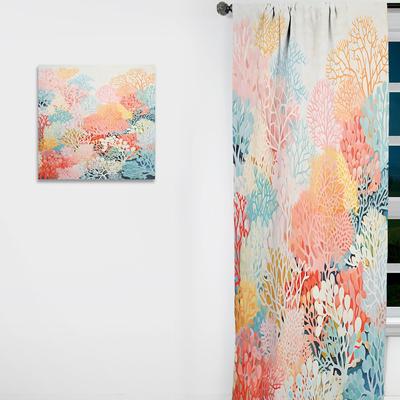
DESIGN ART "Designart ""Coral Reef Barrier Expression"" Coastal Coral Curtain - Blackout Animal Print Curtain - 1 Panel""Bring a breath of fresh air to your windows and spruce up any space in your home with this ""Coral Reef Barrier Expression"" Coastal Coral 1 panel curtain. This beautiful Nautical curtain is handmade on demand just for you."82,99 $*Shipping: 0,00 $Secure redirect to the provider
-
DESIGN ART "Designart ""Coral Reef Barrier Expression"" Coastal Coral Curtain - Blackout Animal Print Curtain - 1 Panel""Bring a breath of fresh air to your windows and spruce up any space in your home with this ""Coral Reef Barrier Expression"" Coastal Coral 1 panel curtain. This beautiful Nautical curtain is handmade on demand just for you."102,99 $*Shipping: 0,00 $Secure redirect to the provider
-
DESIGN ART "Designart ""Coral Reef Barrier Expression"" Coastal Coral Curtain - Blackout Animal Print Curtain - 1 Panel""Bring a breath of fresh air to your windows and spruce up any space in your home with this ""Coral Reef Barrier Expression"" Coastal Coral 1 panel curtain. This beautiful Nautical curtain is handmade on demand just for you."97,99 $*Shipping: 0,00 $Secure redirect to the provider



-
How are Persians doing?
Persians are doing well overall. They are known for their resilience, intelligence, and adaptability. They have a rich cultural heritage and are known for their contributions to art, literature, and science. Despite facing challenges, Persians continue to thrive and make significant contributions to society. **
-
Who were the Persians?
The Persians were an ancient civilization that originated in what is now modern-day Iran. They were known for their powerful empire, which reached its peak around the 6th century BC under the rule of Cyrus the Great. The Persians were skilled in warfare, administration, and diplomacy, and they had a significant impact on the development of the ancient world. They were also known for their cultural achievements, including art, architecture, and literature. **
-
Are Afghans also Persians?
No, Afghans are not Persians. While there are ethnic and cultural similarities between the two groups, they are distinct ethnic groups with their own unique histories, languages, and traditions. The majority of Afghans are Pashtuns, Tajiks, Hazaras, Uzbeks, and other ethnic groups, while Persians are primarily from Iran. It is important to recognize and respect the diversity of cultures and identities within the region. **
-
Which gods did the Persians have?
The Persians had a polytheistic religion, meaning they worshipped multiple gods. Some of the main gods in Persian religion included Ahura Mazda, the supreme god of light and wisdom, Anahita, the goddess of fertility and water, and Mithra, the god of the sun and justice. These gods played important roles in Persian religious beliefs and practices. **

Can Persians understand or speak Arabic?
Persians generally do not speak Arabic as their native language. However, many Persians may have some understanding of Arabic due to shared vocabulary and historical interactions between the two cultures. Some Persians may also learn Arabic as a second language for religious or business purposes. Overall, while there may be some level of understanding of Arabic among Persians, it is not a common language spoken in Iran. **
How do Persians raise their children?
Persians typically place a strong emphasis on family values and education when raising their children. Parents often prioritize providing a nurturing and supportive environment for their children to thrive in. Respect for elders and traditional values are also instilled in children from a young age. Additionally, many Persian parents encourage their children to pursue higher education and excel in their academic and professional endeavors. **
Top-Angebote
Products related to Persians:
-
FOREO Imagination 100mlFOREO Imagination unique formula acts as the perfect base to your homemade face mask - so now you can make the most out of the fresh, natural ingredients from your kitchen. Formulated with Triple Infusion Complex, active nutrients are absorbed deep into the skin, feeding it from within. This antioxidant rich innovative product is enriched with Squalane and Vitamin E to help replenish fatty acids, and protect the skin from UV damage and damage caused by free radicals, leaving your skin looking and feeling healthier than ever before. Ingredients Aqua/Water/Eau, Glycerin, Cetearyl Alcohol, Caprylic/Capric Triglyceride, Cetyl Ethylhexanoate, Glyceryl Stearate, PEG-100 Stearate, Glycereth-26, Magnesium Aluminometasilicate, Dicaprylyl Carbonate, Hydroxyethyl Acrylate/Sodium Acryloyldimethyl Taurate Copolymer, Squalane, Potassium Cetyl Phosphate, Polysorbate 60, Trehalose, Hydroxyacetophenone, Pentaerythrityl Distearate, 1,2-Hexanediol, Xanthan Gum, Phospholipids, Allantoin, Panthenol, Bis-Ethoxydiglycol Cyclohexane 1,4-Dicarboxylate, Tocopheryl Acetate, Citrus Aurantium Dulcis Oil, Glycine Soja Oil, Sodium PCA, Disodium EDTA, Glycolipids, Dipotassium Glycyrrhizate, Glycine Soja Sterols, Propylene Glycol, Sodium Hyaluronate, Linoleic Acid, Glyceryl Linolenate41,99 £*Shipping: 0,00 £Secure redirect to the provider
-
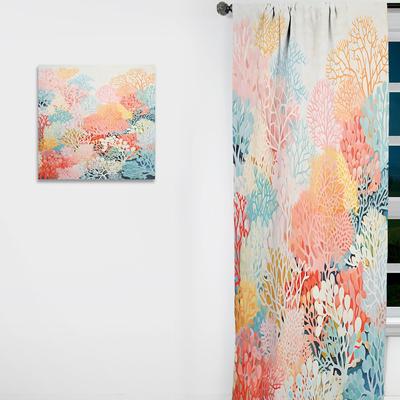
DESIGN ART "Designart ""Coral Reef Barrier Expression"" Coastal Coral Curtain - Blackout Animal Print Curtain - 1 Panel""Bring a breath of fresh air to your windows and spruce up any space in your home with this ""Coral Reef Barrier Expression"" Coastal Coral 1 panel curtain. This beautiful Nautical curtain is handmade on demand just for you."82,99 $*Shipping: 0,00 $Secure redirect to the provider
-
Are Persians Arabs?
No, Persians are not Arabs. Persians are an ethnic group native to Iran, while Arabs are an ethnic group native to the Arab world, which includes countries in the Middle East and North Africa. The Persian language, Farsi, is also distinct from the Arabic language. While there may be some cultural and historical connections between Persians and Arabs, they are two separate ethnic groups with their own distinct identities. **
-
What are Persians like?
Persians are known for their warm hospitality, strong sense of community, and love for art and poetry. They take pride in their rich cultural heritage and traditions, and often value family and relationships above all else. Persians are also known for their strong work ethic and entrepreneurial spirit, with many excelling in various fields such as business, science, and the arts. Overall, Persians are a diverse and dynamic group of people with a deep appreciation for their history and a passion for life. **
-
How are Persians doing?
Persians are doing well overall. They are known for their resilience, intelligence, and adaptability. They have a rich cultural heritage and are known for their contributions to art, literature, and science. Despite facing challenges, Persians continue to thrive and make significant contributions to society. **
-
Who were the Persians?
The Persians were an ancient civilization that originated in what is now modern-day Iran. They were known for their powerful empire, which reached its peak around the 6th century BC under the rule of Cyrus the Great. The Persians were skilled in warfare, administration, and diplomacy, and they had a significant impact on the development of the ancient world. They were also known for their cultural achievements, including art, architecture, and literature. **
Similar search terms for Persians
-
DESIGN ART "Designart ""Coral Reef Barrier Expression"" Coastal Coral Curtain - Blackout Animal Print Curtain - 1 Panel""Bring a breath of fresh air to your windows and spruce up any space in your home with this ""Coral Reef Barrier Expression"" Coastal Coral 1 panel curtain. This beautiful Nautical curtain is handmade on demand just for you."102,99 $*Shipping: 0,00 $Secure redirect to the provider
-
DESIGN ART "Designart ""Coral Reef Barrier Expression"" Coastal Coral Curtain - Blackout Animal Print Curtain - 1 Panel""Bring a breath of fresh air to your windows and spruce up any space in your home with this ""Coral Reef Barrier Expression"" Coastal Coral 1 panel curtain. This beautiful Nautical curtain is handmade on demand just for you."97,99 $*Shipping: 0,00 $Secure redirect to the provider
-
DESIGN ART "Designart ""Coral Reef Barrier Expression"" Coastal Coral Curtain - Blackout Animal Print Curtain - 1 Panel""Bring a breath of fresh air to your windows and spruce up any space in your home with this ""Coral Reef Barrier Expression"" Coastal Coral 1 panel curtain. This beautiful Nautical curtain is handmade on demand just for you."91,52 $*Shipping: 0,00 $Secure redirect to the provider
-
DESIGN ART "Designart ""Coral Reef Barrier Expression"" Coastal Coral Curtain - Blackout Animal Print Curtain - 1 Panel""Bring a breath of fresh air to your windows and spruce up any space in your home with this ""Coral Reef Barrier Expression"" Coastal Coral 1 panel curtain. This beautiful Nautical curtain is handmade on demand just for you."71,99 $*Shipping: 0,00 $Secure redirect to the provider
-
Are Afghans also Persians?
No, Afghans are not Persians. While there are ethnic and cultural similarities between the two groups, they are distinct ethnic groups with their own unique histories, languages, and traditions. The majority of Afghans are Pashtuns, Tajiks, Hazaras, Uzbeks, and other ethnic groups, while Persians are primarily from Iran. It is important to recognize and respect the diversity of cultures and identities within the region. **
-
Which gods did the Persians have?
The Persians had a polytheistic religion, meaning they worshipped multiple gods. Some of the main gods in Persian religion included Ahura Mazda, the supreme god of light and wisdom, Anahita, the goddess of fertility and water, and Mithra, the god of the sun and justice. These gods played important roles in Persian religious beliefs and practices. **
-
Can Persians understand or speak Arabic?
Persians generally do not speak Arabic as their native language. However, many Persians may have some understanding of Arabic due to shared vocabulary and historical interactions between the two cultures. Some Persians may also learn Arabic as a second language for religious or business purposes. Overall, while there may be some level of understanding of Arabic among Persians, it is not a common language spoken in Iran. **
-
How do Persians raise their children?
Persians typically place a strong emphasis on family values and education when raising their children. Parents often prioritize providing a nurturing and supportive environment for their children to thrive in. Respect for elders and traditional values are also instilled in children from a young age. Additionally, many Persian parents encourage their children to pursue higher education and excel in their academic and professional endeavors. **
* All prices are inclusive of VAT and, if applicable, plus shipping costs. The offer information is based on the details provided by the respective shop and is updated through automated processes. Real-time updates do not occur, so deviations can occur in individual cases. ** Note: Parts of this content were created by AI.